What Is Real?
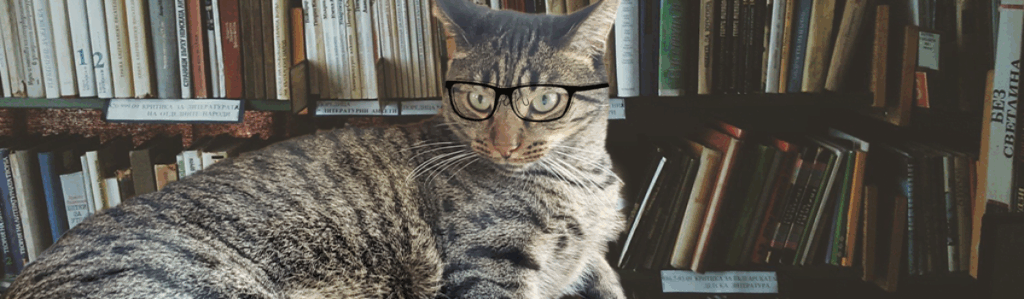
I was chatting with a friend and showed her this picture, which is in the header of my publishing company site, Energion Publications.
She immediately asked, “How did you get Mo to wear those glasses for a picture?”
“I didn’t. I photoshopped it in there.” (In case you didn’t know, when your program name becomes a verb, you have it made.)
“Oh, that makes sense,” she said.
After a moment, I pointed out that the bookcase isn’t mine either. Not only did I photoshop the glasses onto Mo, but I photoshopped Mo in front of a picture of library shelves (stock photo).
“You just can’t tell what’s real any more,” she said.
Now it’s quite true that it can be difficult to tell what’s real. I’ve seen a number of difficult pictures include “this is not AI” in the caption. But the thing is that this predated AI availability in photoshop. Trimming Mo out of the original background involved considerable time working around the edges of his fur. I placed the glasses there with straightforward perspective and sizing tools, very good tools, but not generally considered AI.
With AI, we’re getting many more of these. I could accomplish this with AI tools in Photoshop in minutes, rather than the couple of hours I spent on the original. In addition, someone with limited skills in graphics could accomplish it as well, provided they could describe the effect.
AI has not created the problem with true/false and real/virtual.
What it has done is make it easier for less skilled people to create more unreal content.
Consider this:
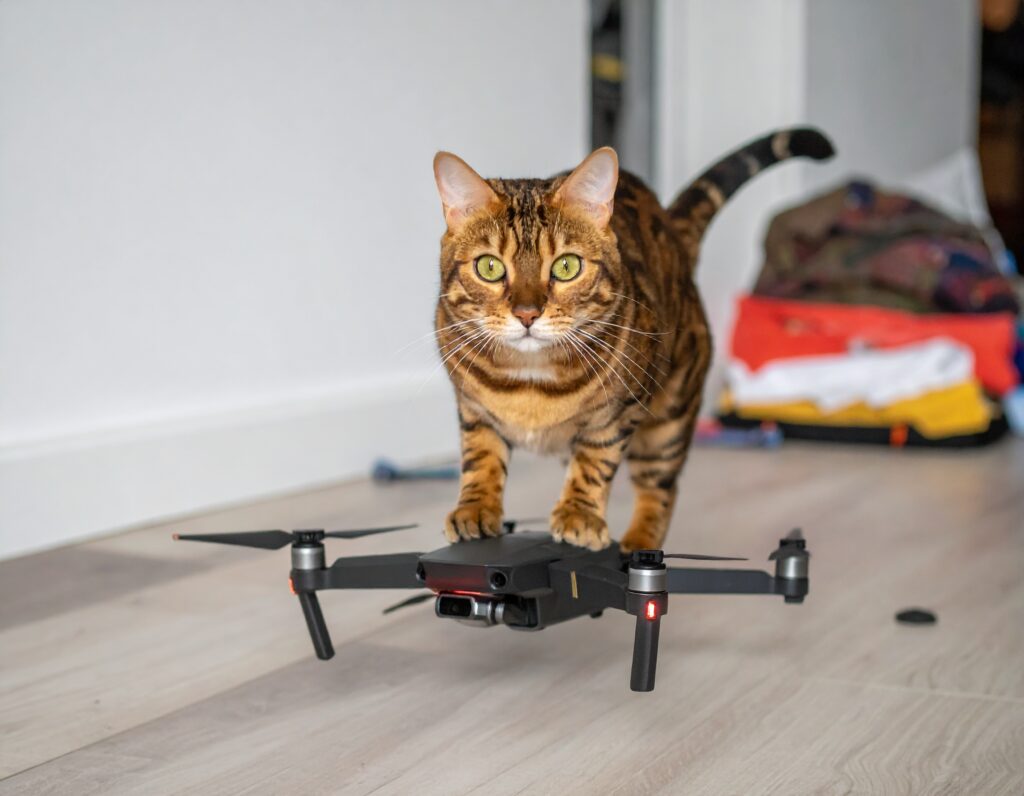
This picture of a cat who is not Mo, was created by Firefly from a short prompt I wrote, total time consumed about 2 minutes, including writing the prompt. I see some things that indicate that it is AI generated, but the image generators have gotten much better since.
What has changed is not that you can be deceived. Rather, the level of intelligence, knowledge, or skill required to deceive you has gotten much smaller, which in turn means that deception is more rampant.
I would suggest that honest people take care to indicate that images are AI generated if they are to help people detect what’s real and what’s not.
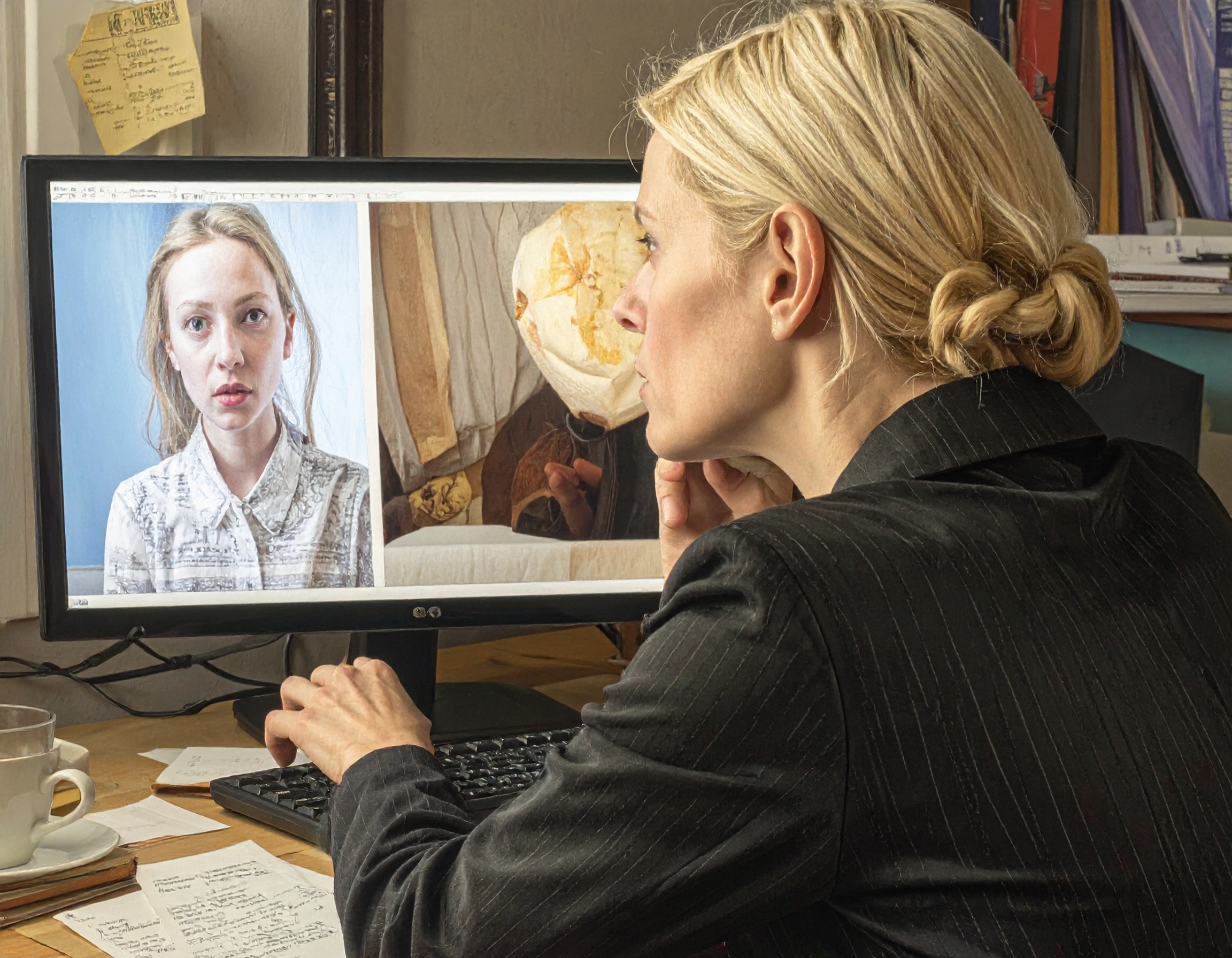
(Considering my last paragraph, the featured image was generated by Adobe Firefly using Firefly Image 4 from a prompt describing the topic of this blog post.)